What Is Revenge Trading? Why It Happens and a Routine to Stop It
Revenge trading is when you take a frustrating loss and then trade more aggressively straight away to win that money back, instead of following your usual plan. It often shows up as a bigger position, a trade with no clear setup, or a stop loss that is missing or moved. It is an emotional reaction to a loss, not a strategy.
It matters because one revenge trade can do more damage than the loss that started it. Spotting it early is one of the cheapest ways to protect your account.
How to spot a revenge trade on your own account
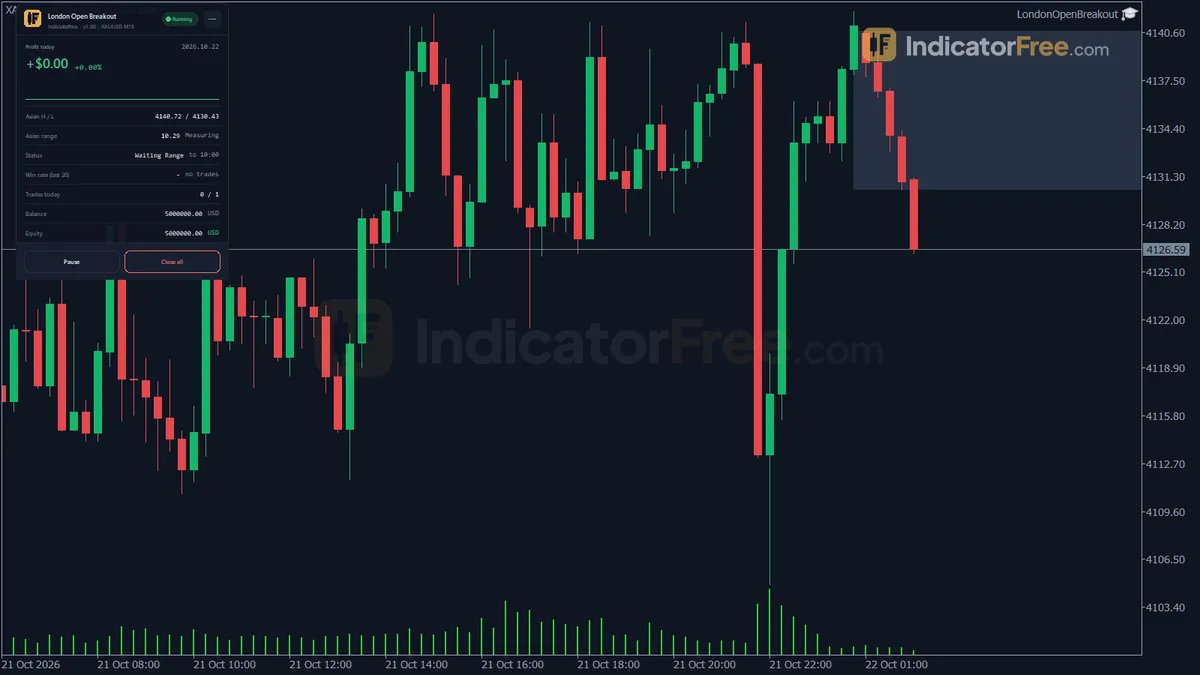
A revenge trade rarely feels like revenge while you place it. It feels like the market owes you, or like you just know it turns here. The clearest clue is timing: the trade comes right after a loss, and its job is to get that loss back. The chart below shows the timing: a stop-out on one candle, a bigger buy with no stop on the next.
The table compares a planned trade with a typical revenge trade, using things you can check in your own trade history.
| What you check | Planned trade | Revenge trade |
|---|---|---|
| Why you entered | A setup written in your plan | To recover the last loss |
| Timing | When the setup appears | Minutes after a loss |
| Position size | Your fixed risk per trade | Larger, to get it back faster |
| Stop-loss distance | Set from the chart before entry | Missing, too wide or moved later |
| Market or pair | One you normally trade | Often the one that just beat you |
| How you feel | Calm, patient | Angry, rushed, needing to be right |
If two or more rows in the right column describe your last trade, log it as a revenge trade in your journal, even if it made money.
Why a loss makes you want to hit back
The main driver is a fear of being wrong. Many traders take a loss personally, as a verdict on them rather than one result of a plan. The quickest way to quiet that feeling is another trade that proves you were right after all.
Your brain also counts losses more heavily than gains. This is called loss aversion: a loss hurts more than an equal gain feels good. Daniel Kahneman and Amos Tversky first described it in their 1979 prospect theory paper. Under prospect theory, a loss feels roughly twice as strong as a gain of the same size. The curve below shows that shape.
So after losing $100, getting back to zero feels far more urgent than making $100 felt good on a normal day. That imbalance pushes the next trade to be bigger and faster.
The CFA Institute classes loss aversion, overconfidence and self-control as emotional biases, separate from errors in reasoning. It also says these biases are harder to correct, because they come from feelings and impulses rather than faulty logic. In practice, knowing about revenge trading is not enough. You need rules and routines that still work when you are upset.
Card players have a word for this state: tilt. In poker it means frustration pushing a player away from their best strategy, usually toward overly aggressive play. Naming the state, "I'm on tilt", gives you a cue to start the post-loss routine.
Why revenge trading hurts whether it wins or loses
Revenge trading is a lose-lose pattern. If the revenge trade loses, you deepen your drawdown with a position you never planned. If it wins, you learn the wrong lesson: that trading on emotion works. That belief makes the next revenge trade more likely, and usually bigger.
The money side is easy to check. For this illustrative example, say your account is $10,000 and your plan risks 1% per trade. You lose one normal trade, then triple your size to win it back quickly, and that trade loses too.
One decision doubled the damage, and now you need to win back $400 instead of $200.
The 3-question test before any trade after a loss
Run this test on every trade you consider after a losing one. Answer honestly before you open the order window.
- Would I take this exact trade if my last trade had been a winner? If not, the loss is picking the trade, not your plan.
- Are the size and the stop exactly what my plan says? If the size is bigger, or the stop is missing, wider or only in your head, the trade fails.
- Can I name the setup from my plan in one sentence? If you need a story about why the market has to turn, it fails.
Decision rule: if any answer fails, do not place the trade. Write the idea in your journal instead and look at it again after your break. A real setup usually still makes sense once you are calm. A revenge idea usually looks weak.
You will use this test as step 5 of the routine below.
A post-loss routine you can copy
A fixed routine takes away the moment where you make a decision while upset. Keep the steps short so you actually follow them.
- Record the loss straight away. Write the trade in your journal with its result before you look for another entry.
- Check any open position you still hold. Leave its stop where it is. Do not widen it, and do not add to the position to average down the loss.
- Step away from the charts. Do something that has nothing to do with trading: a walk, a meal, a chore.
- Come back only when you can say it plainly. "This loss is a normal part of trading, and my plan expects losses." If saying it feels false, make the break longer.
- Run the 3-question test, then take the next trade at your normal size or smaller. Never bigger. Winning back a loss is a job for your next many trades, not the next one.
The session below shows what step 3 blocks.
Two habits make this routine stick. First, set your risk per trade as a fixed percentage of the account, and place your stop before every entry. A habit that is already automatic is hard for emotion to override.
Second, set your own daily stop rule in advance: a number of losses after which you stop trading for the day. Pick the number while you are calm, write it at the top of your plan and treat it as non-negotiable.
A journal template for the trade after a loss
Your journal is where you catch the pattern, because it is hard to see in the moment. Copy this block and fill it in for every trade you take after a loss.
TRADE AFTER A LOSS
Date / time:
Minutes since last loss:
Last trade result:
Market and direction:
Setup from my plan (one sentence):
Planned risk:               Actual risk:
Stop placed before entry? (yes/no):
3-question test passed? (yes/no):
Feeling before entry (calm / frustrated / angry / bored / overconfident):
Result:
Revenge flag (yes/no):
What I will do differently:
Once a week, count your revenge flags. Then compare the total result of flagged trades with the total of unflagged ones. Flag the winners too. A revenge trade that won still broke your rules, and marking it as a rule break stops the false lesson from sticking.
Here is what that weekly comparison can look like, using made-up numbers for one illustrative week.
Keep an eye on the minutes-since-last-loss line. If your flagged trades cluster in a short window after losses, that window tells you how long your break needs to be.
FAQ
Can a big win push me into the same mistake?
Yes, through tilt rather than revenge. Tilt is not always anger. Boredom, fear and overconfidence can all push you into trades your plan does not allow. After a big win, the feeling that you can't lose today can lead to oversized trades just as frustration does, so run the same 3-question test.
How do I tell revenge trading from overtrading?
Overtrading is about how many trades you take: more than your plan's setups justify. Revenge trading is about why you take a trade: to recover a recent loss. The two often overlap, because a losing revenge trade tends to trigger another one. The minutes-since-last-loss and revenge-flag lines in your journal help you tell them apart.
What should I do if a revenge trade is already open?
Do not add to it, and do not move the stop further away. If it has no stop, place one at the distance your plan would have used. If price has already gone past that level, close the trade. Then log it with the revenge flag and start the post-loss routine.
Should I stop for the day after one revenge trade?
Let your daily stop rule decide, not how you feel in the moment. A losing revenge trade counts toward that limit like any other loss. You can also add a stricter line next to your daily stop rule: one revenge flag in your journal ends the session. Write that line while you are calm, so you are not deciding it while upset.
Part of Risk & money management: more guides, terms and free tools on this subject.